The New Aging: How Wellness Real Estate Is Redefining Longevity at Home

Longevity Residences
The Global Wellness Institute named “Longevity Residences” the top 2026 category at their spring summit: homes and communities are being reframed as active participants in extending health-spans, integrating preventive medicine, advanced diagnostics, AI-driven personalization, and health-optimized design directly into daily life. The framing is notable as the home and community are becoming points of care, structurally integrated with healthcare rather than adjacent to it, with health-spans becoming infrastructure rather than an amenity.
The Wellbeing Address
According to GWI, consumers are no longer satisfied with spaces that simply provide shelter. They want environments that actively support their health and longevity. A new category of development is emerging: communities and hospitality projects embedding preventive medicine, clinical partnerships and personalized health protocols directly into the real estate product. The home and the community are becoming points of care, not adjacent to healthcare, but structurally integrated with it. It is becoming the infrastructure within the community.
As stated by GWI’s 2026 trend report, wellness is now a foundational expectation influencing site selection, programming, spatial design and long-term operations within the community. The built environment is not just a backdrop to life, but an active participant in how well and how long we live.
Function over Fitness - especially for Seniors
GWI's “Aging Well” trends note wellness real estate and senior living are increasingly designing around everyday function like climbing stairs, walking the dog, carrying groceries, getting up from the floor, rather than abstract fitness metrics, with mobility and functional age becoming aspirational status markers for wellbeing.
Neurowellness and Sensory Design
Yes, a new term, ‘Neurowellness’ is getting specific traction. Senior Wellness Contributor at Forbes, Jamie Gold, sites sensory design as a major 2026 trend in wellness real estate, highlighting the benefits of proper circadian lighting, better ventilation, reduced sound transmission, soothing colors, plants, and decluttering as ‘neurodesign’ strategies that also enhance resale appeal in real estate.
Senior living itself is shifting
PWC/Urban Land Institute's 2026’s outlook on senior housing is moving from '“reactive to proactive” care, prioritizing lifestyle and engagement programming, with amenities like walking trails and dog parks now standard in active adult communities. Provider Magazine frames it starkly in a March 2026 article - the "silver tsunami" is no longer approaching, it has arrived - and today's senior chooses senior living as a lifestyle emphasizing independence and connectivity rather than a last resort.
Aging in place becomes a full support ecosystem, not just a housing choice.
It's evolving from "I want to stay in my home" into an integrated system of smart-home tech, telehealth, remote monitoring, and human connection. AI-driven systems are moving toward predicting decline (changes in gait, sleep, or routine) before a crisis hits. Subscription-based home wellness services bridging healthcare and senior living are the next frontier. This type of wellness exists at The Oak Harbor Club within the Grand Harbor Community in Vero Beach, FL. The Wellness Center offers holistic, personalized health oversight designed to support independent living. Memberships to the Wellness Center are available to non-residents.
In summary, today’s trend in ‘Wellness Real Estate’ - Strength, mobility, and independence becoming the new markers of wellbeing for Seniors - where you live shapes how you age.
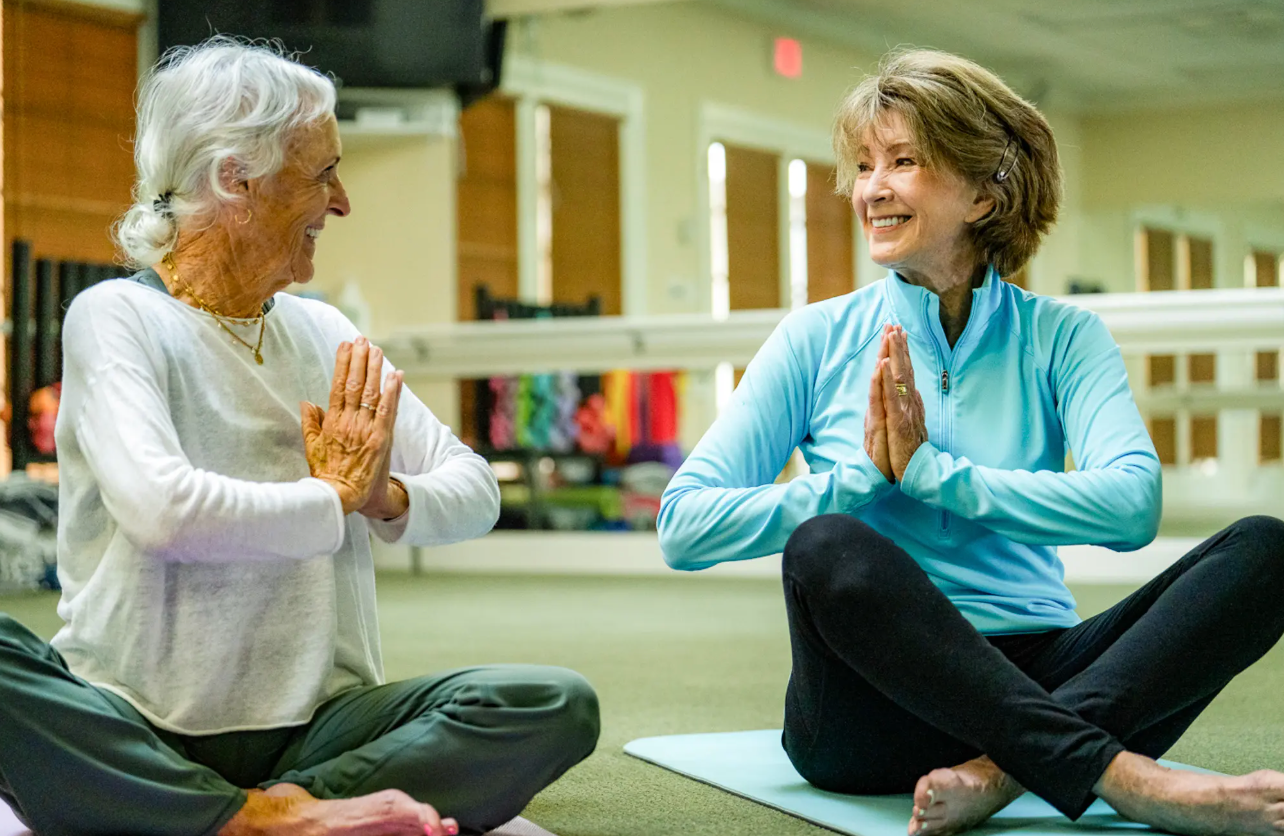
The Wellness Center - Oak Harbor, Vero Beach FL.
Contact Cassy West (author) for more information about Oak Harbor and the Wellness Center and Community in Vero Beach, FL. She is currently a resident and member.