Biophilic Design Explained: Healthier Homes & Workplaces

What Is Biophilic Design?
Biophilic design is a wellness-centered approach to architecture and interiors that reconnects people with nature through light, air, materials, views, and natural patterns. Rooted in science, biophilic spaces are proven to reduce stress, improve focus, enhance mood, and support long-term health—at home and at work.
If you’ve ever felt calmer near a window, more focused in daylight, or restored after time in nature, you’ve experienced biophilia in action.
The History of Biophilic Design
The term biophilia was popularized by Edward O. Wilson, who described humanity’s innate need to connect with nature. Over the past 20 years, architects and designers have translated this concept into the built environment as research confirmed measurable benefits for health, cognition, and emotional well-being.
As modern life became more indoor and screen-focused, biophilic design gained momentum—especially in workplaces, healthcare, education, and transportation hubs. Now that Artificial Intelligence (AI) is going mainstream, spending quality time in nature is important for optimal heath and wellbeing.
The 14 Patterns of Biophilic Design
Researchers at Terrapin Bright Green define 14 patterns to help designers apply biophilia intentionally. They fall into three categories:
Nature in the Space
Visual connection with nature
Non-visual connections (sound, scent, airflow)
Non-rhythmic sensory stimuli
Thermal & airflow variability
Presence of water
Dynamic & diffuse light
Connection with natural systems (seasons, growth)
Natural Analogues
Biomorphic forms & patterns
Material connection with nature (wood, stone, clay, natural fibers)
Complexity & order
Nature of the Space
Prospect (open views)
Refuge (cozy, protected spaces)
Mystery (partial views, intrigue)
Risk/Peril (safe, controlled sense of height or depth)
These patterns help spaces feel supportive, calming, and engaging - not just visually appealing.
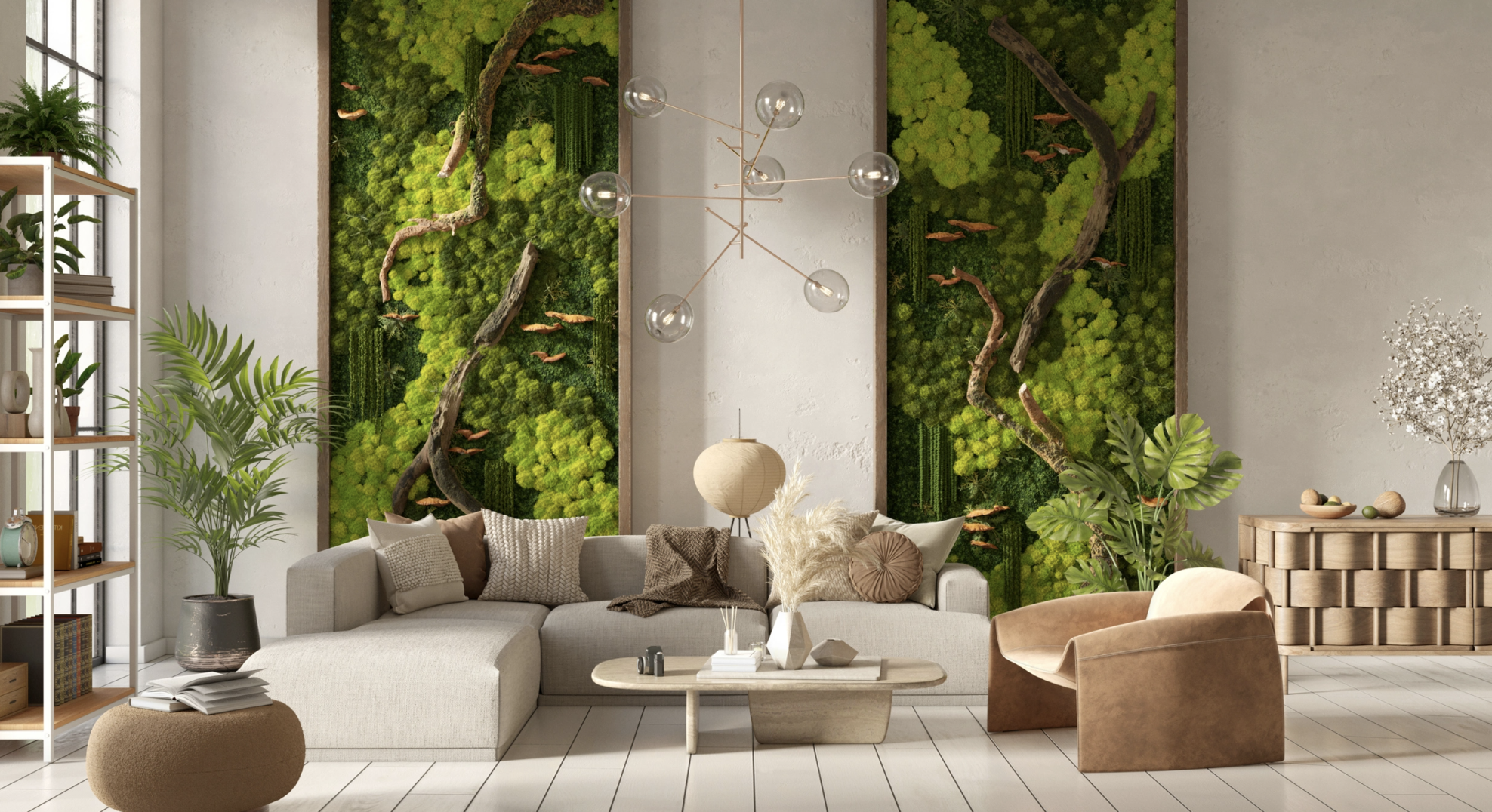
An example of Biophilic Design in the home. photo courtesy of Rivaspain.com
Proven Health Benefits of Biophilic Design
At Home
Biophilic homes are linked to:
Lower stress and cortisol levels
Better sleep through circadian-aligned daylight
Reduced anxiety and depression
Faster healing and recovery
Greater emotional regulation and calm
At Work
Biophilic workplaces show:
Improved focus and productivity
Enhanced creativity and problem-solving
Reduced burnout and absenteeism
Higher employee satisfaction and retention
These benefits are why companies, schools, and healthcare facilities increasingly prioritize nature-connected design.

Spending time in nature is good for health
Biophilic Design in Airports & Commercial Buildings
Airports, corporate campuses, and large commercial buildings now use biophilic elements like living walls, indoor gardens, daylight-filled terminals, water features - to reduce stress, improve way-finding, and support worker focus and happiness. These environments prove that biophilia isn’t decorative; it’s functional and helpful.
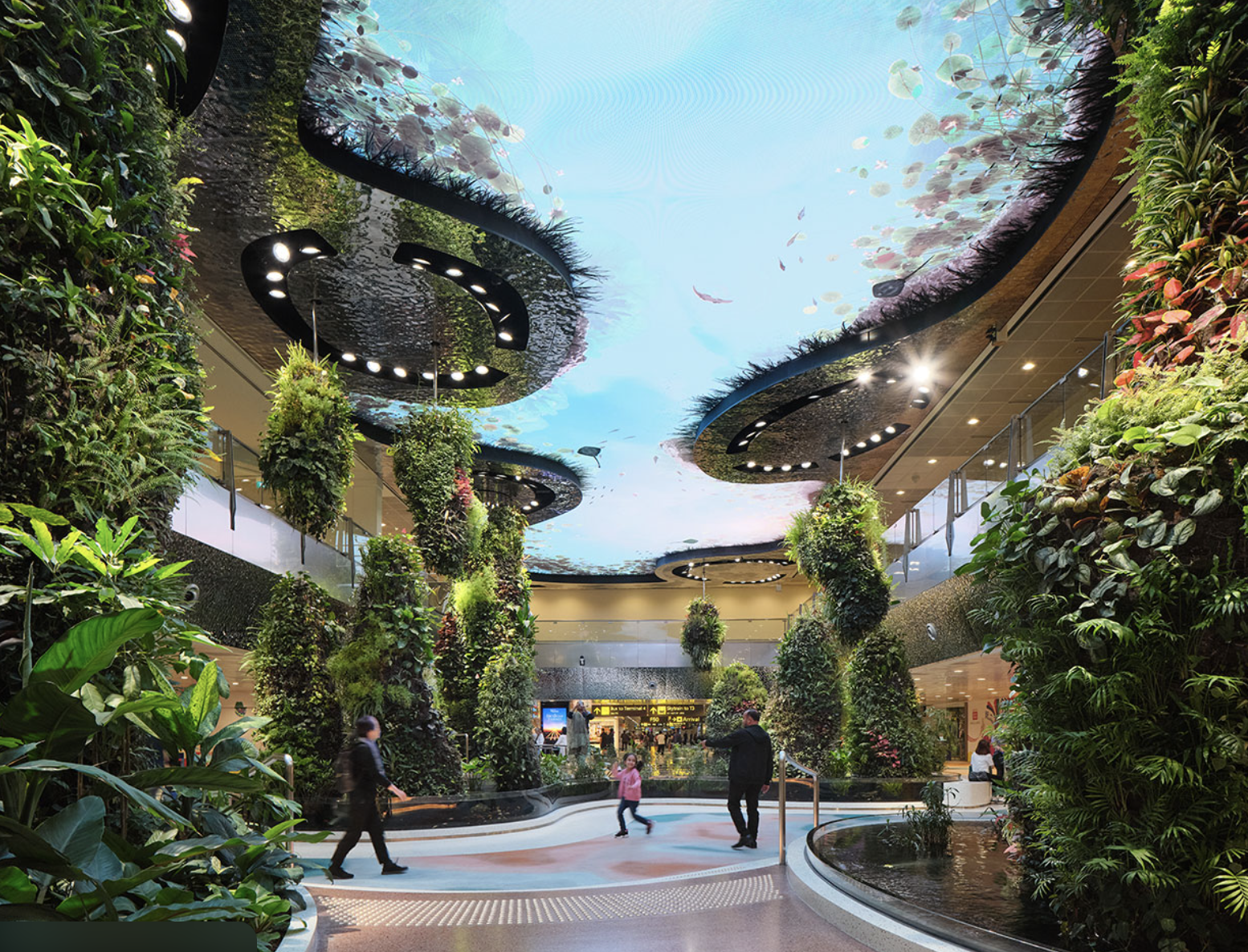
Image of Changi Airport in Singapore
Biophilic Design & Building Certifications
Biophilic strategies are recognized across leading building standards - mostly commercial:
LEED credits daylight, views, materials, and occupant well-being
Living Building Challenge centers human - nature connection
PHIUS supports biophilic outcomes through superior air quality and comfort
Why Biophilic Design Matters Today
As we spend more time indoors, biophilic design is no longer optional - it’s essential. Homes and workplaces that align with human biology support resilience, mental clarity, and long-term wellness.
A biophilic home doesn’t require a forest - it starts with intention.
Wellness by Dezign Takeaway
Biophilic design creates spaces that love you back. By integrating light, air, nature, and natural materials, we design environments that support health, happiness, and connection every day.
Design Well to Live Well