Building with Nature
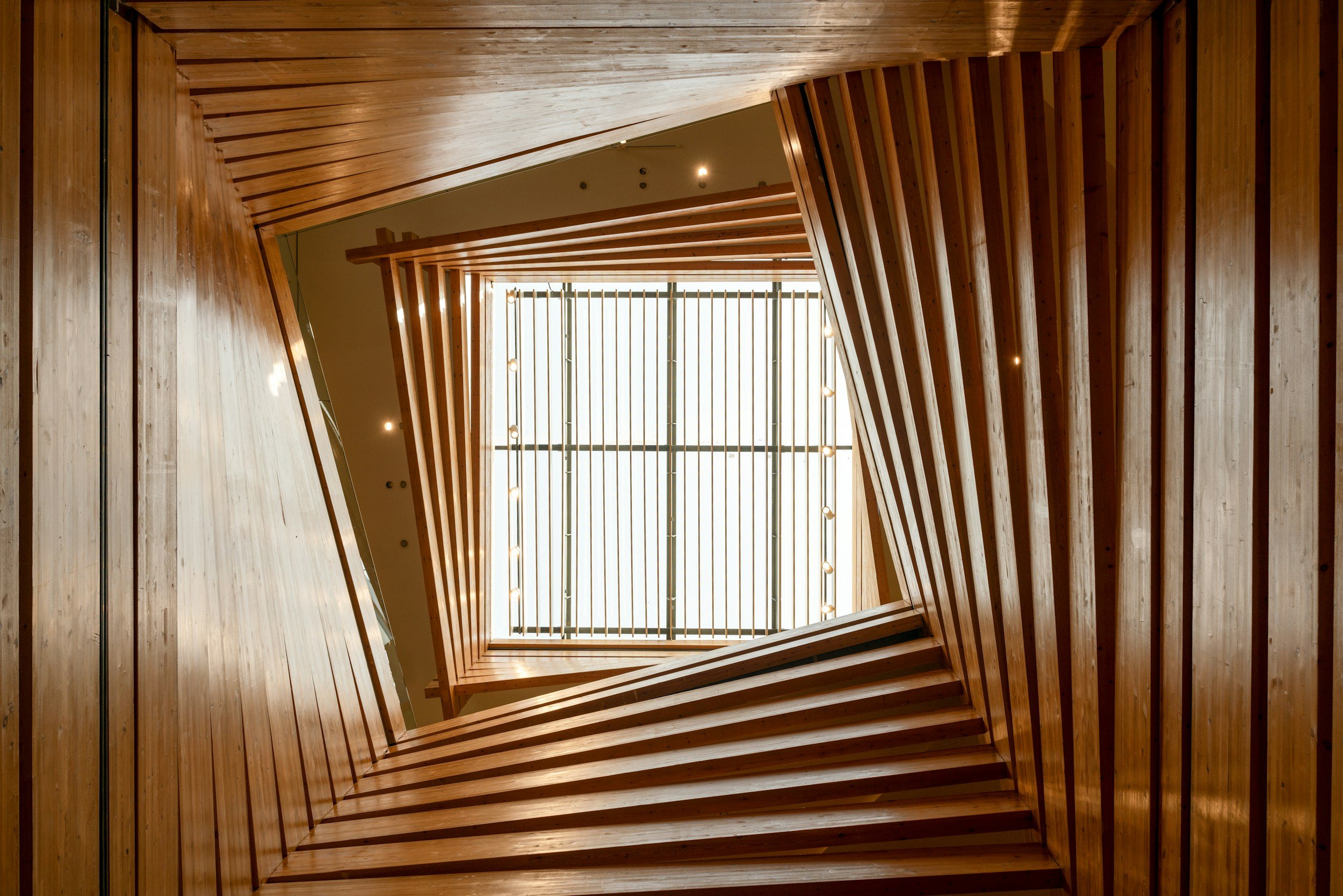
Image by Unsplash
The Case for Biobased Materials in Architecture
The construction industry is responsible for roughly 40% of global emissions, with materials extraction, production, and transport accounting for a significant portion of that before a single wall goes up. As architects and designers reckon with this reality, a growing movement is turning back to nature, specifically to wood and other biobased materials, as a viable, even superior, alternative to concrete and steel. We see this more and more in kitchen and bathroom design as owners are leaning away from white, stark, sterile looking interiors.
Why Wood?
Timber is unique among structural materials in one critical way: it stores carbon rather than emitting it during production. Trees absorb CO₂ throughout their lifetime, and when wood is used in construction, that carbon stays locked in the building. Sustainably certified timber (FSC or PEFC) is also the only major structural material that is genuinely renewable. European forests are currently growing faster than they are harvested.
Beyond carbon, wood offers real health and wellness benefits. Research has shown that exposure to wood surfaces can lower heart rates and reduce stress. One study found that school children's heart rates were reduced by thousands of beats per day in classrooms featuring wood surfaces. Wood also naturally regulates indoor humidity, reducing peak humidity levels by more than 60% in some studies, and carries inherent antibacterial properties - all of which aligns beautifully with the principles of healthy home and wellness design.
Timber is also faster and often more cost-effective to build with than conventional materials. Prefabricated wood structures can cut construction time by roughly a third compared to concrete, and because wood requires no drying or curing time, interior work can begin immediately. It also requires far fewer transport vehicles than concrete (up to five X fewer vehicles), reducing the emissions footprint of the logistics chain as well.
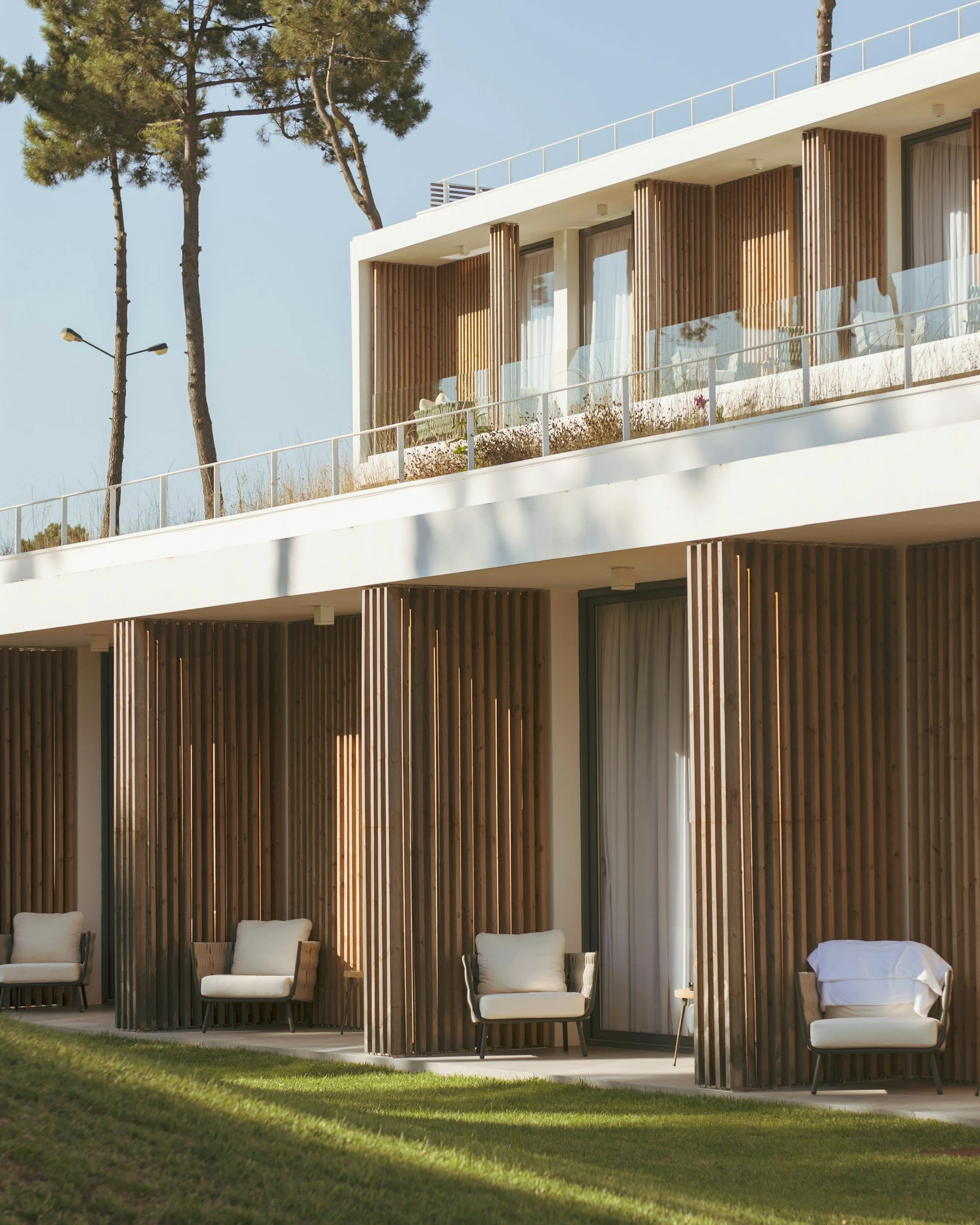
Timber is the most established biobased building material.
Beyond Wood: The Biobased Material Family
Timber is the most established biobased building material, but the category extends much further:
Straw bale is an ancient insulator being rediscovered for contemporary construction. It has excellent thermal performance, is a byproduct of grain farming, and sequesters carbon. Properly sealed, it is fire-resistant and highly durable.
Hemp (hempcrete) is a mixture of hemp hurds and lime that is lightweight, breathable, and highly insulating. It resists mold and pests naturally, making it well suited for healthy home construction. It is non-structural but excellent as infill.
Mycelium composites - grown from fungal root structures are emerging as insulation and cladding materials. They are fully compostable and can be grown into custom shapes with minimal energy input. Read more about Mycelium on my Blog: The Future is Fungi: Foam, food, fashion and design.
Bamboo is one of the fastest-growing plants on earth, reaching structural maturity in three to five years. It has a tensile strength comparable to steel and is increasingly used in engineered form for flooring, cladding, and structure.
Cork offers exceptional sound and thermal insulation, harvested without cutting the tree. It is naturally antimicrobial and fire-resistant, making it appealing for healthy interiors and wall applications.
Seagrass and natural fiber insulations — including sheep's wool, flax, and hemp — are vapor-permeable, non-toxic alternatives to conventional fiberglass or foam. They regulate moisture, avoiding the off-gassing concerns associated with synthetic insulations.
Circularity as Design Principle
Perhaps the most forward-thinking thread running through current biobased design is the concept of designing for disassembly (dfd for short) - building in a way that allows materials to be reclaimed, reused, or composted at end of life, rather than incinerated or landfilled. This shifts the conversation from a linear model (make, use, discard) to a regenerative one, where the building itself participates in a continuous carbon cycle. To learn more, or find a guide, to Dfd visit ArchDaily.com
For anyone thinking about wellness real estate, healthy home consulting, or simply the future of residential design, the direction is clear: biobased materials are not a compromise or a trend. They are the most scientifically grounded, human-centered, and ecologically responsible path forward.
To learn more about designing and building with wood and other biobased materials read Plant a Seed by Henning Larson.
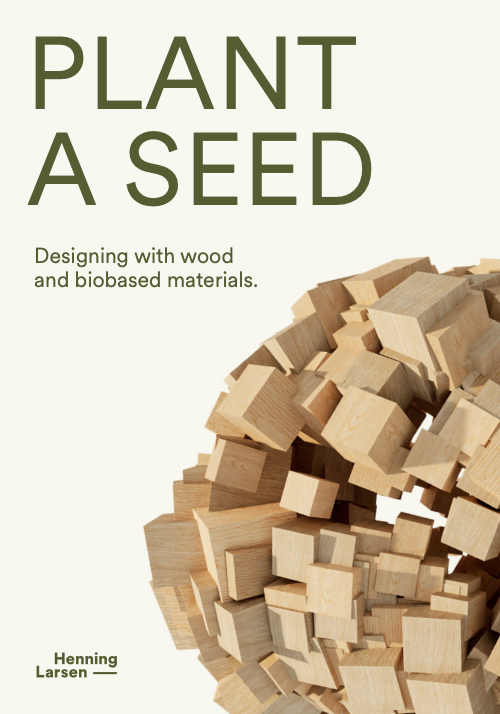
Photo of Cover of Henning Larson’s book titled Plant a Seed - Designing with wood and biobased materials